How to Present a Data Center or Power Project at a Community Meeting
The gym smells like floor wax, the folding chairs are full and somebody has brought a hand-lettered sign. You have 15 minutes before the questions start, and those questions will not be about your financing structure. They will be about noise at 2 a.m., the water table and whether the electric bill is going up. Plenty of projects with good engineering have stumbled right here. How do you present a data center or power project at a community meeting so people leave with real answers instead of rumors?
A good data center community meeting starts from the neighbors' questions, not the developer's pitch, and answers them with specific numbers, honest limits and visuals people can trust. Expect questions about noise, water, traffic, power bills, jobs and backup generators. Bring renderings from neighbors' real viewpoints, sound studies that include generator testing, a water plan in gallons per day and an honest count of permanent jobs. When you do not know an answer, say so and commit to a date for the follow-up.
Who Shows Up at a Data Center Community Meeting?
Expect a mix of nearby homeowners, farmers, local business owners, elected officials, planning staff, reporters and organized opposition groups, sometimes from outside the county. Some will arrive curious. Some will arrive decided.
The people who live closest matter most. Their concerns are concrete: what they will hear, see and drive past every day. Elected officials are watching how you treat those neighbors, because they will be the ones casting votes later.
Supporters show up too, often from the trades, the economic development office or the school board. Do not lean on them to carry the night. A room full of supporters does not answer a neighbor's question about generator noise.
What Will People Ask About?
The questions are predictable, which is good news, because you can prepare. Here is what usually comes up and what to bring for each:
| Concern | What people want to know | What to bring |
|---|---|---|
| Noise | How loud, day and night, and during generator tests | Sound study with contour map and generator scenarios |
| Water | Gallons per day, source, effect on wells | Water plan, cooling type, peak and average use |
| Traffic | Construction trucks, routes, hours | Traffic study and construction route map |
| Power bills | Will residents pay for grid upgrades? | Utility tariff terms and who pays for new lines |
| Jobs | How many, what kind, for whom | Construction vs permanent counts, local hiring plan |
| Appearance | Height, lights, view from my porch | Renderings from real viewpoints, lighting plan |
| Taxes | What the county actually gets | Tax projections with any incentives shown |
Noise and water lead most lists. Data Center Watch, which tracks local opposition, reports that groups across 24 states cite water, noise, power and taxes as their main objections.
What Should You Bring to the Meeting?
Bring visuals and data that answer those questions without a sales spin. The basics:
- Site plan showing buildings, substation, generator yards, cooling equipment, setbacks and buffers.
- Renderings or photo simulations from neighbors' real viewpoints, at human eye height.
- Sound contour maps for normal operation and for generator testing.
- A water summary with average and peak gallons per day, the source and the cooling technology.
- A construction timeline with truck routes and work hours.
- A one-page fact sheet people can take home.
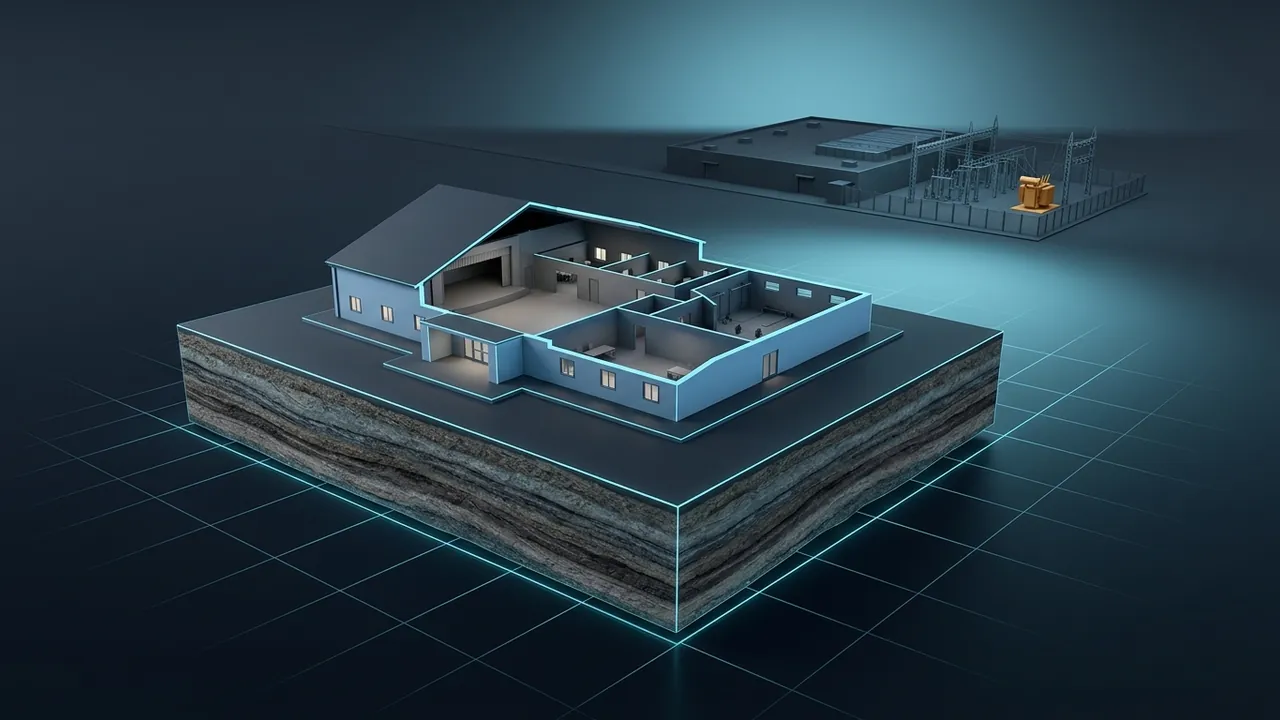
Visuals matter because people fill gaps with their own imagination. Engineering firm WSP made this point in its 2026 piece on data center visualization: without a clear picture, people create their own idea of what the project is. Our guide to 3D visualization for energy projects covers how renderings and animations are built for permitting.
How Do You Explain Noise Honestly?
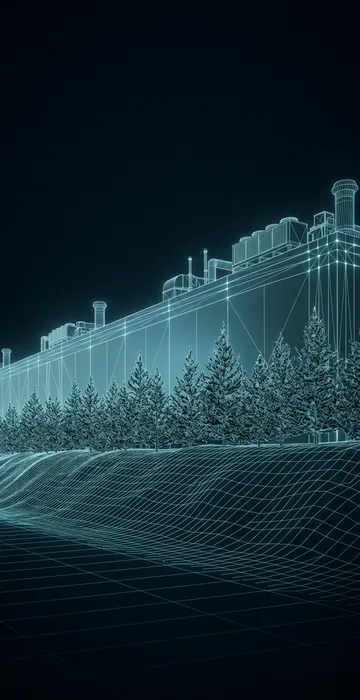
Explain noise with numbers at the property line and at the nearest homes, in A-weighted decibels (dBA), and include the loud scenarios, not just the quiet ones. Every site has generator tests, and neighbors will hear them.
A simple rule helps people follow along. For a single outdoor source, sound drops about 6 dB each time the distance doubles. Here is a labelled example using an assumed source level:
- 75 dBA at 50 feet from a generator enclosure.
- 69 dBA at 100 feet.
- 63 dBA at 200 feet.
- 57 dBA at 400 feet.
- 51 dBA at 800 feet, and about 45 dBA at 1,600 feet.
Real sites have many sources, and terrain, walls and berms change the result, so a professional acoustic study is the real answer. Compare its results to local limits. The AI Now Institute's data center noise policy toolkit lists sample ordinances such as Phoenix at 55 dBA by day and 45 at night, and argues that sound studies should include emergency diesel generators. If your study leaves generators out, someone in the room will notice.
What About Power Bills and Jobs?
Be precise on both, because these are the two places where overselling backfires fastest.
On power bills, explain who pays for the substation, the transmission line and any new generation. If the utility has a large load tariff with minimum bills or collateral, say so. If the project will generate its own power on site, explain that too, along with the air permit it needs.
On jobs, separate construction jobs from permanent ones. A large campus can employ many hundreds of workers during construction and a much smaller number once it runs. Give your real permanent headcount, the kinds of roles and any local hiring commitments. Inflated job numbers get fact-checked by local reporters, and you will be quoted on them for years.
Should It Be a Town Hall or an Open House?
Many developers now use both. An open house with stations lets people walk up, look at maps and ask a staff member one on one. It lowers the temperature and lets quieter neighbors ask questions they would never ask at a microphone.
A town hall format still has a place, because people want to hear answers in public. If you hold one, keep the presentation short, leave most of the time for questions and have a moderator. Put your technical people at the front: the acoustic engineer, the water engineer and the person who will actually run the site. In my experience, neighbors trust the person who gets the call when something breaks at night more than the person who wrote the press release.
How Should You Handle Questions You Cannot Answer?
Say "I don't know yet," explain why, and commit to a date when you will answer. Then keep the promise. Put the answers online and send them to everyone who signed in.
Some answers depend on things not yet decided, such as the tenant or the final cooling design. Say what range is possible and what would push it one way or the other. A range with honest limits beats a confident number you later have to walk back.
Turn commitments into something enforceable when you can. Zoning conditions, development agreements or a formal community benefit agreement can lock in water caps, noise limits or local hiring in writing.
What Should Happen After the Meeting?
The work after the meeting matters as much as the meeting itself. Within a week or two, publish a summary of the questions asked and your answers, including the ones you could not answer that night. A simple project web page with a running FAQ saves everyone time.
Then show that you listened. If neighbors pushed back on the generator yard facing their homes, can it move to the other side of the building? If they worried about construction traffic past a school, can trucks take a different route at different hours? Changes like that, made visibly and early, do more for trust than any slide.
Plan for more than one meeting. People who missed the first one will hear about it secondhand, often inaccurately. A second session closer to the hearing, with updated studies and the changes you made, gives you a chance to correct the record.
Win the Data Center Community Meeting by Being the Most Credible Voice
The goal of a data center community meeting is not to win the room in one night. It is to leave as the most credible source of information about your own project, so that when rumors start, people check them against what you said.
Prepare like it is a hearing, listen like it is a conversation and follow up on everything you could not answer. The meeting itself is rarely where a project is won. It is where the developer earns, or loses, the credibility it needs for the vote that comes later.