Is Wellhead Gas Good Enough to Burn? – Gas Quality and Conditioning
Every pumper has smelled it, seen it or heard it hiss out of a sample valve: wellhead gas is not the tidy stuff that comes out of a kitchen stove. It is wet, it is rich and some days it carries things you do not want near an engine or your lungs. Yet the whole idea of wellsite power rests on burning it. Is wellhead gas good enough to burn in a generator, and how do you tell?
Raw wellhead gas can often fuel an engine, but rarely straight out of the well: it usually needs separation, filtering and sometimes treatment first. Wellhead gas quality varies from field to field and month to month, and raw gas often carries water, heavy hydrocarbons, carbon dioxide and sometimes hydrogen sulfide (H2S). Many reciprocating engines run on it after basic separation and filtering, but may need derating if the gas is rich, and they will wear faster if liquids or sulfur get through. Gas turbines are usually pickier about dew point and contaminants. A lab gas analysis shows what you have and decides how much conditioning the site needs before the gas becomes reliable fuel.
What Is Actually in Wellhead Gas?
Raw gas is mostly methane, but the rest of the mix is what matters for engines. A typical extended analysis reports these groups:
- Methane, the main fuel and the most knock-resistant hydrocarbon.
- Ethane, propane and butanes, which add energy but make the gas more prone to engine knock.
- Pentanes and heavier (often written C5+ or C6+), which can condense into liquid as gas cools.
- Water vapor, which can condense, freeze or form hydrates in lines.
- Inert gases like nitrogen and carbon dioxide (CO2), which dilute the fuel and lower heating value.
- Hydrogen sulfide in sour fields, which is toxic, corrosive and hard on engine oil.
Gas that comes up with oil, called associated gas, tends to be rich in those heavier hydrocarbons. Dry gas from a gas-only well is usually closer to pure methane. That difference alone can decide whether an engine runs happily or knocks itself to pieces.
Which Wellhead Gas Quality Numbers Matter Most?
Four numbers tell most of the story. You will find them on any decent lab report or can calculate them from the composition.
| Measure | What it tells you | Why engines care |
|---|---|---|
| Heating value (Btu per standard cubic foot) | Energy in each cubic foot of gas | Fuel systems are tuned for a range; rich gas overfuels, lean gas starves |
| Methane number | Resistance to knock, with pure methane set at 100 | Low numbers force derates or retarded timing |
| Hydrocarbon and water dew points | Temperature where liquids start to drop out | Liquids in a fuel train cause misfires, damage and flameouts |
| H2S content (parts per million) | Sulfur load in the gas | Corrodes parts, acidifies oil and creates a serious safety hazard |
Pipeline-quality gas usually lands somewhere around 1,000 Btu per cubic foot. Rich associated gas can run well above that, sometimes in the 1,200 to 1,400 range or higher. That sounds like a bonus, more energy per cubic foot, but for a spark-ignited engine it is often the opposite. Heavier hydrocarbons ignite more easily under compression, and that early ignition is knock.
Methane Number in Plain English
Methane number works like an octane rating for gas engines. Pure methane scores 100. Propane scores far lower, and butane lower still. Each engine model has a minimum methane number for full rated output, set by the manufacturer. Below that line, the engine control system pulls back timing or load to stop knock. That means a 1,000 kW engine on rich gas might only make a fraction of its nameplate, which throws off every power estimate built on the nameplate number.
Why Hydrogen Sulfide Changes Everything
H2S is the contaminant that turns a fuel question into a safety question. It smells like rotten eggs at low levels and then deadens your sense of smell as levels climb, which is exactly backwards from what you would want. The National Institute for Occupational Safety and Health lists 100 parts per million as immediately dangerous to life or health. Sour sites need gas detection, trained crews, wind socks and written safety plans, full stop.
For the engine, H2S burns into sulfur oxides that form acids in the crankcase and exhaust. Oil breaks down faster, bearings and liners corrode and exhaust catalysts can be poisoned. Engine makers publish sulfur limits for their fuel, and some offer models built to tolerate more. Above those limits, the gas needs treatment before it reaches the engine, usually with a chemical scavenger or solid media bed.
Will an Engine or Turbine Handle Raw Gas Better?
Reciprocating engines usually handle raw field gas better than turbines, which is one reason so many wellsite generators are recips. Lean-burn and rich-burn engines can be tuned for a range of gas, and some models are built specifically for low-methane-number or wellhead fuel. They still need dry gas, clean of liquids and solids, and they will tell you about bad fuel through knock sensors and shortened service intervals.
Turbines tend to need gas delivered at a steady pressure and a safe margin above its dew point, because a slug of liquid hydrocarbon in a combustor can cause a flameout or a damaging burn. Dry low-emissions combustors also want stable composition. That does not rule turbines out at the wellsite, but it usually means more conditioning equipment in front of them.
The fuel conditioning outfit GTUIT notes on its fuel conditioning page that raw wellhead gas with heavy components lowers methane number and can cause derates and failures. That lines up with what field crews see: engines on untreated rich gas tend to run rough, run derated or run short.
How Do You Test Wellhead Gas Quality?
You sample it and send it to a lab, more than once. A good testing approach looks like this:
- Pull a sample at the point where the generator will actually take gas, after any existing separator, using proper sample cylinders and procedures.
- Ask for an extended analysis that breaks out heavier hydrocarbons (C6+ or beyond), plus H2S, CO2, nitrogen and water content.
- Have the lab or your engine supplier calculate heating value, methane number and dew points from the results.
- Repeat the test over time, and after any change in how the well or the facility operates.
That last step catches people. Gas composition can drift as wells age, as new wells come online in the same gathering system and as the separator runs at different pressures and temperatures. Winter and summer conditions change what condenses where. One sample is a snapshot, not a guarantee.
What Happens If You Burn Bad Gas Anyway?
The engine usually keeps running for a while, which is the trap. Problems build quietly and then show up all at once. The common symptoms of poor fuel look like this:
- Knock and detonation, which the controls fight by cutting load, so the site makes less power than planned.
- Misfires and rough running when slugs of liquid reach the fuel train.
- Oil that turns acidic or dirty fast, forcing shorter change intervals.
- Carbon deposits on valves, pistons and spark plugs from heavy hydrocarbons.
- Corroded parts and poisoned catalysts on sour gas.
Each of those costs money and uptime, and together they can turn a profitable wellsite power project into a maintenance sinkhole. Oil analysis is a cheap early warning, so regular samples are worth taking even when the gas looks fine.
What Does Conditioning Do to Bad Gas?
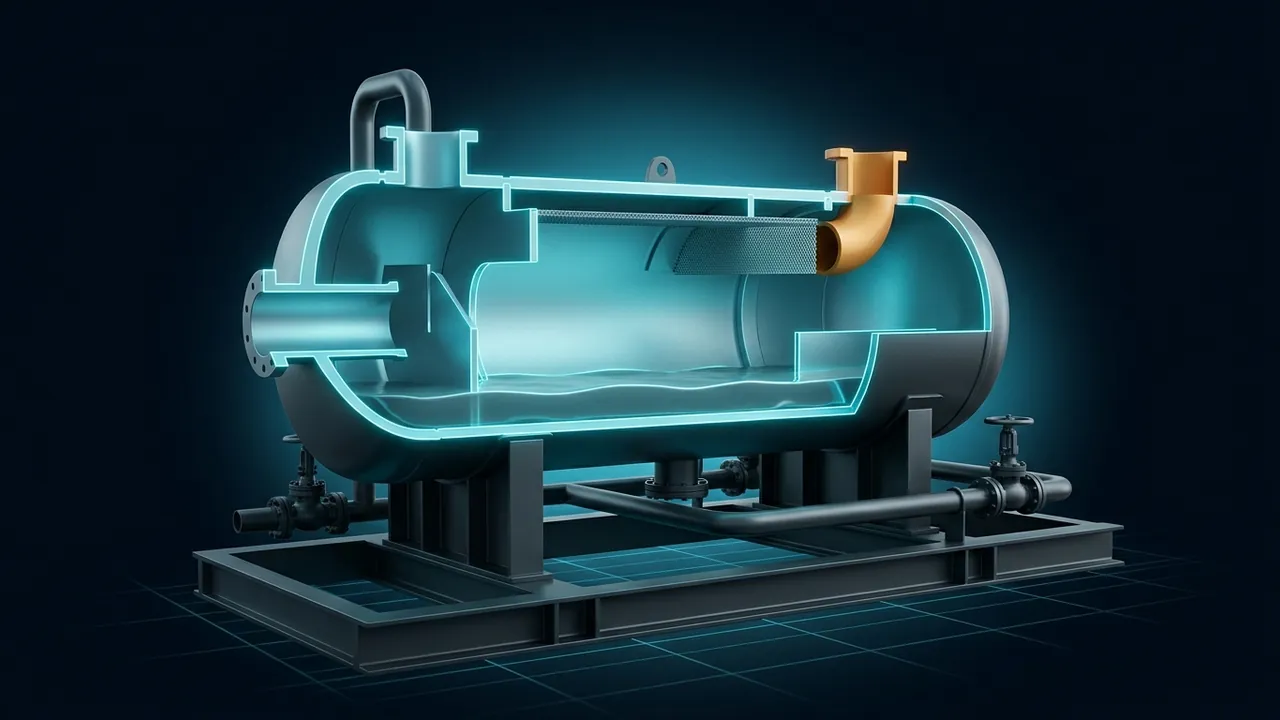
Conditioning closes the gap between the gas you have and the gas your engine wants. At the simple end, that is a scrubber and coalescing filter to knock out liquids, plus a heater to keep the gas above its dew point after pressure drops. At the more involved end, it includes chilling the gas to pull out heavy hydrocarbons, drying it and removing H2S.
The right setup depends on the analysis and on the prime mover. A fuel gas conditioning skid sized to the real gas, not a guess, is usually the difference between generators that run for months and generators that need a mechanic every week. Conditioning costs money, but so do derated engines, wrecked bearings and lost uptime.
Said plainly: if you have not seen a lab analysis of the exact gas, you do not know your engine's real output yet.
So, Is Your Wellhead Gas Good Enough to Burn?
Wellhead gas quality is the first engineering question for any wellsite or flare gas power project, not the last. Most raw gas can become good engine fuel, but it usually needs separation, filtering and heating at minimum, and rich or sour gas needs more. The numbers that decide it are heating value, methane number, dew point and H2S, and all of them come from a real gas analysis.
Before you order generators, get samples, get them analyzed and share the results with your engine or turbine supplier. Ask for the derated output on that exact gas and the fuel spec the warranty depends on. Then design the conditioning to match. A few hundred dollars of lab work up front is the cheapest insurance on the whole project.