How Texas Regulates Flaring – Railroad Commission Permits Explained
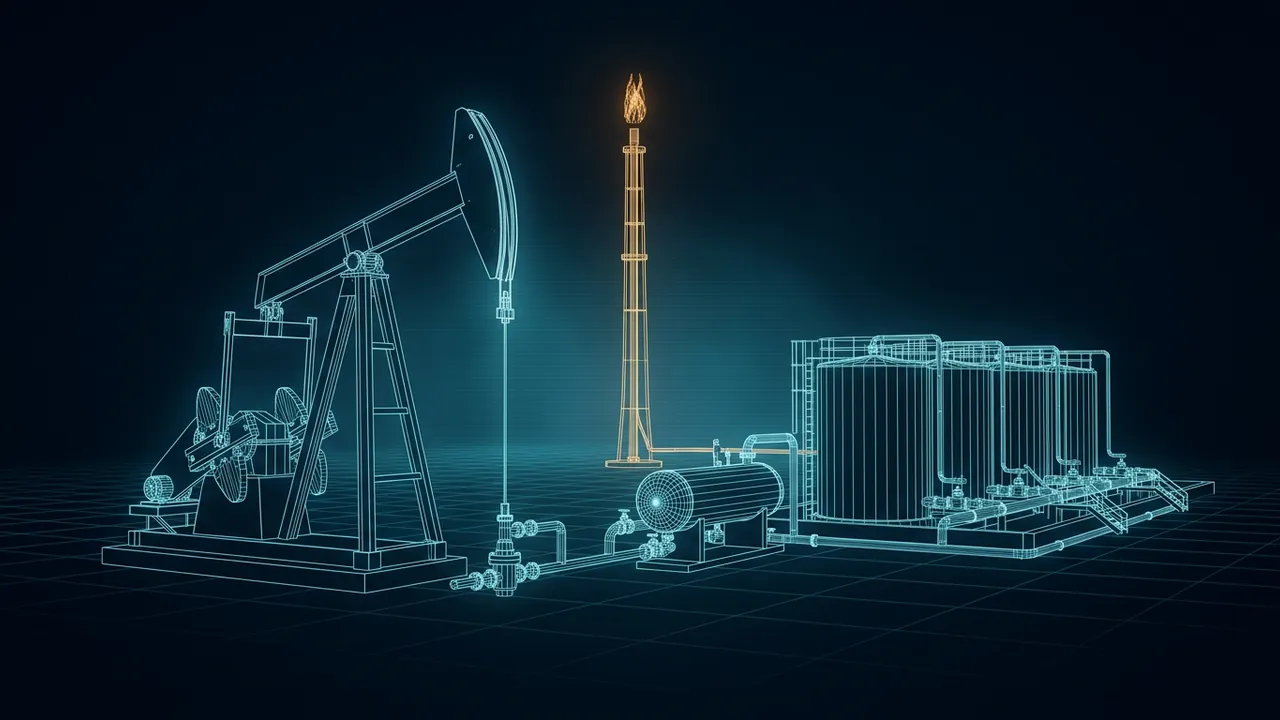
Here is a question that comes up in every Texas field office sooner or later: the pipeline is not ready, the well is making gas, and the oil has to keep moving. Can you flare, and for how long? Texas does allow flaring, but it puts a clock on it and a paperwork trail behind it, run by an agency with a name that confuses everyone from out of state. How do Texas flaring permits work, and what does the Railroad Commission expect from an operator?
In Texas, flaring is governed by the Railroad Commission of Texas (RRC) under Statewide Rule 32, which says gas must be used or sold when it can be measured, and only allows flaring for limited periods without permission. Operators can flare while drilling and for up to 10 producing days after a completion, plus short releases during upsets and other listed cases. Beyond those limits, they need an exception, filed on Form R-32 with a fee, which staff grant administratively for limited terms up to 180 days in total. Anything longer requires a hearing and a Commission order. Air pollution from flares is a separate matter handled by the Texas Commission on Environmental Quality (TCEQ).
Who Regulates Flaring in Texas?
Two state agencies split the job. The Railroad Commission, which stopped regulating railroads long ago but kept the name, oversees oil and gas production. Its concern with flaring is waste: Texas law treats burning gas that could be put to use as something to prevent.
The TCEQ handles the air side. According to the RRC's own flaring regulation FAQ, TCEQ has jurisdiction over air quality issues related to flaring, including complaints about smoke and emissions. So an operator can be square with the RRC on a flare exception and still need to meet TCEQ air requirements for the same flare.
When Can You Flare Without an Exception?
Rule 32 lists situations where releases are authorized by rule, without a separate filing. The RRC's 2021 presentation on Statewide Rule 32 venting and flaring summarizes the main ones:
- Gas released while drilling a well.
- Production gas for up to 10 producing days after an initial completion, recompletion or workover.
- Upsets at a lease facility, pipeline or gas plant, for up to 24 hours.
- Gas from unloading a well, up to 24 hours in one continuous event or 72 cumulative hours in a month.
- Small volumes of low-pressure separator gas: up to 15 Mcf per day for gas wells and 50 Mcf per day for oil leases or commingled points.
The rule also draws a line between venting and flaring. Releases of 24 hours or less may be vented if they are not required to be flared for safety reasons. Releases lasting longer than 24 hours must be burned in a flare if the gas can burn safely. Where hydrogen sulfide is present, the Commission can require flaring for safety even on short releases, which anyone who has worked sour gas will be glad to hear.
How Do Texas Flaring Permits Work?
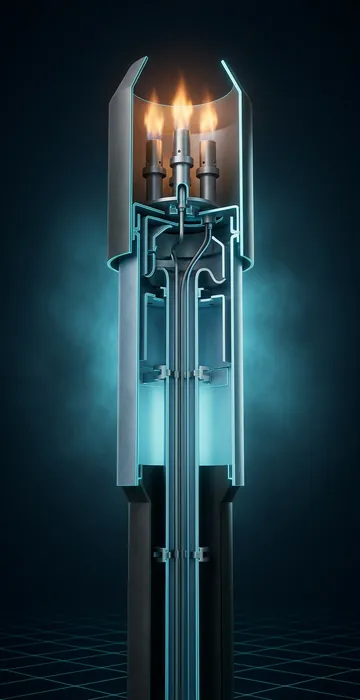
What most people call Texas flaring permits are formally Rule 32 exceptions. An operator files Form R-32 through the RRC online system, explains why the gas cannot be sold or used, and pays the filing fee.
Key terms from the RRC's presentation and FAQ:
- The fee is $375 per gas well, oil lease or commingled vent or flare point.
- Staff issue exceptions administratively for limited terms, commonly 45 days at a time, with longer initial terms in some cases such as a lack of pipeline.
- Renewals can be granted administratively up to a total of 180 days.
- Extending past 180 days requires a hearing and a final order signed by the Commission.
- Extensions past the first term need documented progress toward getting the gas to market. The most common reason given is waiting on a scheduled pipeline.
- Exceptions do not carry over when a well changes operators. The new operator has 90 days to re-file after the transfer is approved.
- The RRC no longer back-dates exceptions, so filing late leaves a gap.
The application also has to show how the gas will be measured. The presentation notes that Form R-32 asks for an actual method of measurement.
What Makes an Exception Request Hold Up
Staff are looking for a believable story about where the gas is going. In practice, a solid request usually covers:
- The volume being flared and how it is metered or estimated.
- Why the gas cannot go to a pipeline right now, such as no connection yet or a full gathering system.
- What is being done about it, with dates: a pipeline right-of-way, a compressor upgrade or an on-site use.
- Any safety issues, like hydrogen sulfide, that affect venting versus flaring.
A vague request invites questions, and questions take time the well is still flaring through.
How Is Flaring Reported and Checked?
Operators report flared volumes every month on the Monthly Production Report, Form PR. Releases authorized during production must be metered and reported. Under an exception, estimates are allowed if the operator states the method.
The RRC compares what shows up on production reports against its exception records. Flaring that appears on a report triggers an automated check for a matching exception. That makes the old habit of "flare now, file later" a lot riskier than it used to be.
How Many Flaring Exceptions Does Texas Grant?
Thousands a year, though the count has moved with drilling activity. The RRC publishes the number of venting and flaring exceptions issued each fiscal year:
| Fiscal year | Exceptions issued |
|---|---|
| 2010 | 306 |
| 2014 | 5,285 |
| 2019 | 6,972 |
| 2020 | 4,522 |
| 2021 | 3,351 |
| 2022 | 3,667 |
The climb from a few hundred to several thousand tracks the shale boom, when wells came online faster than gathering lines. The drop after 2019 likely reflects lower activity during the 2020 price crash, more pipeline capacity out of the Permian, and closer scrutiny of exception requests. The RRC also points out that flaring involves a small fraction of the state's producing wells.
What Does Rule 32 Mean for Gas-to-Power Projects?
It creates an opening. Rule 32's starting point is that gas should be used or sold. A generator on the lease that burns gas for useful work, whether it powers pumps, compressors or a container of computers, is a use rather than waste.
That is part of why portable computing loads showed up in Texas oil country. Some operators sell gas to a company running generators and bitcoin miners on the pad. Grid-connected miners in the state have a second trick: they can be paid to shut off when the grid is tight, which is the business of bitcoin mining demand response. The gas-side deal and the grid-side deal are separate, but they rely on the same flexible hardware.
A few cautions. The engines need TCEQ air authorization. Selling gas to a third party brings in royalty questions for mineral owners. And the rules can change. This article is a general explanation, not legal advice, so check current requirements with the RRC, TCEQ and your own counsel before you build anything.
Texas Flaring Permits Buy Time, Not a Pass
Texas lets operators flare for short, listed periods, then requires a Rule 32 exception with a fee, a measurement method and proof of progress. Administrative exceptions top out at 180 days, and longer flaring takes a hearing and a Commission order.
The practical lesson for anyone in the field is simple. Treat a Texas flaring permit as a bridge to a pipeline or another use, not a place to park. Meter the flare, file on time, and keep a plan for the gas that you can show the Commission. If that plan includes turning flare gas into power, line up the air permit and the royalty paperwork at the same time.