Who Owns Flare Gas? – Mineral Rights, Royalties and Gas Deals
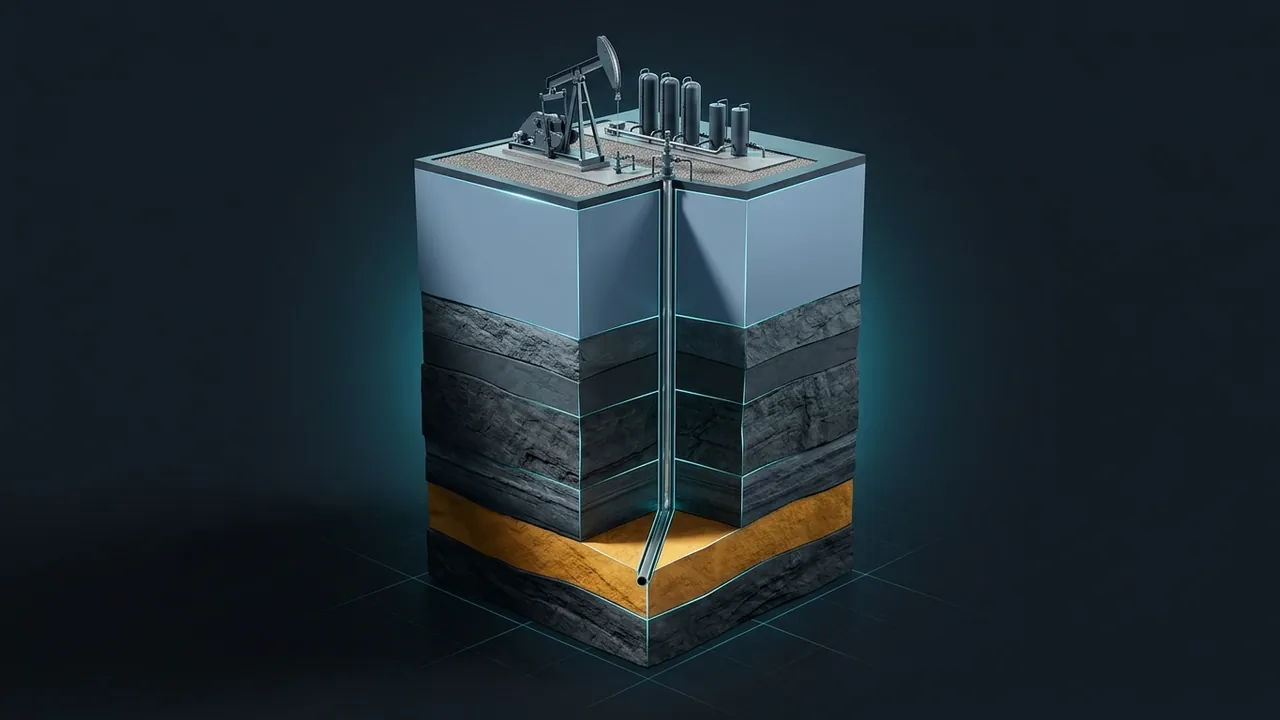
A company pulls up to a lease with a plan: run a gas line from the flare to a generator and put that wasted gas to work. The operator likes it. Then somebody asks the question that stops the meeting cold: whose gas is it, and who collects flare gas royalties once it gets sold? The landowner's? The operator's? The family in Tulsa that inherited the minerals in 1962? Who owns flare gas, and who gets paid when it finally gets used?
Flare gas starts out belonging to the mineral owner, who leases the right to produce it to an operator in exchange for a royalty share. Once produced, the operator and its partners control it. Under most private leases, royalties are not paid on gas that is unavoidably flared or used for lease operations, though some states require royalties on flaring that goes beyond allowed limits. The moment flare gas is sold to a power or computing project, it becomes a sale, and the royalty owners are owed their share. This is a general explanation, not legal advice, so check your lease and your state's law with an attorney.
Who Owns the Gas in the Ground?
Whoever owns the mineral estate. In the United States, the minerals under a piece of land can be owned separately from the surface. A rancher might own the grass and the fences while someone else owns the oil and gas a mile below.
Oklahoma State University's extension service, in its fact sheet on energy development and farm households, notes that Oklahoma minerals can be severed from the surface in every county except Osage. Over generations, mineral interests get sold, split and inherited, so one tract can have dozens of owners holding small fractions.
Federal and tribal minerals add another layer. Gas under federal land is leased through the Bureau of Land Management, and those leases follow federal royalty rules rather than private lease language.
What Does a Lease Give the Operator?
The lease is the deal that turns minerals into a well. The mineral owner grants an oil company the right to explore, drill and produce, usually for a set primary term that continues as long as the well produces. In return, the owner gets a signing bonus and a royalty, which is a share of production or its value, free of drilling costs.
The OSU fact sheet lists common Oklahoma royalty fractions of 1/5, 3/16 and 1/4. Older leases often carry 1/8.
The other side is the working interest. Working interest owners pay the costs to drill and operate, and they keep what is left after royalties. One of them, the operator, runs the well day to day. That is the company you will be talking to about the flare.
| Party | What they hold | What they care about in a gas deal |
|---|---|---|
| Mineral or royalty owner | A share of production or its value, cost-free | Getting paid fairly on every Mcf sold |
| Operator | The right to produce and market the gas | Keeping the oil flowing, staying in compliance, earning on the gas |
| Non-operating working interest owners | A share of costs and revenue | Their cut, and approval under the operating agreement |
| Surface owner | The land the pad sits on | Footprint, roads, noise and compensation |
Are Royalties Paid on Flared Gas?
Usually not, under private leases, but there are important exceptions. The World Bank's summary of North Dakota's flaring regulations puts the general rule simply: under most private leases, royalties are not paid on lost gas, which includes flared and vented volumes.
Two lease ideas drive that:
- Free-use clauses. Many leases let the operator use gas on the lease for operations, like running heater treaters and engines, without paying royalty on it.
- Lost or unavoidably wasted gas. Gas that cannot be marketed and has to be flared is often treated as produced but not sold, so there are no proceeds to share.
The exceptions matter. North Dakota requires production taxes and royalties on flared gas when an operator flares beyond what its rules and exemptions allow. Federal leases have their own rules on when flared gas is royalty-free, and those rules have changed over the years. Royalty owners have also sued in some states, arguing that avoidable flaring breaks the operator's duty to market the gas. Results depend on the lease language and state law.
What Changes When Flare Gas Gets Sold?
Everything. Once a third party pays for the gas, whether it runs a generator for oilfield edge computing, a bitcoin mine or a small processing skid, there are proceeds, and the royalty owners are owed their share under the lease.
Put some example numbers on it:
- Gas sold to a wellsite power project: 300 Mcf per day
- Price: $1.50 per Mcf at the wellhead
- Daily proceeds: 300 × $1.50 = $450
- Royalty fraction: 3/16, or 18.75%
- Royalty owed: $450 × 0.1875 = about $84 per day, or roughly $30,800 a year
That is money that did not exist while the gas was being flared, which is one reason royalty owners tend to favor these projects. The fights, when they happen, are over price and deductions. States differ on whether the operator can subtract costs like compression and conditioning before calculating royalty, and on whether gas burned off the lease counts as free-use gas. Getting that wrong can create back-royalty claims years later.
Using the gas on site for power can also carry tax angles. North Dakota, for example, offers a tax exemption for gas used at the well site to generate electricity when at least 75% of the gas is consumed, according to the same World Bank summary.
Why Royalty Owners Usually Like These Deals
From the mineral owner's chair, a flare is money burning in plain sight. A project that turns it into a sale puts checks in mailboxes, even small ones, on gas that was paying nothing. Many royalty owners have watched flares on their tracts for years and asked their operator why nobody sells that gas.
The flip side is that royalty owners will want to see the price. A deal priced well below what the gas could fetch elsewhere invites questions, especially if the buyer is affiliated with the operator. Clean, arm's-length terms and good records keep everyone comfortable.
Who Has to Sign Off on a Flare Gas Deal?
More people than most newcomers expect. A workable deal usually lines up:
- The operator, who controls the gas and signs the gas purchase or processing agreement.
- The non-operating working interest owners, through the joint operating agreement.
- Royalty owners, who usually do not sign but must be paid correctly, so the operator's accounting has to handle the new sale.
- The surface owner, who often needs a surface use agreement for the extra equipment.
- Regulators, for air permits on the engines and any flaring or production reporting changes.
The paperwork also depends on good data. Accurate metering at the pad is what lets everybody trust the royalty statement, and our guide to how flare gas is measured covers the meters and estimates behind it. If the meter is wrong, every check built on it is wrong too.
Flare Gas Royalties Start the Day the Gas Gets Sold
Who owns flare gas? The mineral owner owns it in the ground, the operator controls it once it is produced, and royalty owners share in it whenever it is sold. Flared gas usually carries no royalty under private leases, but that can change with state rules, federal leases and the lease's own language.
For any project on flare gas, bring the operator in first, assume the royalty owners will be paid, and budget for a title and lease review before money moves. Read the lease, check state law, and talk to an oil and gas attorney. None of this is legal advice, and every lease is different.